IDLE HANDS OR
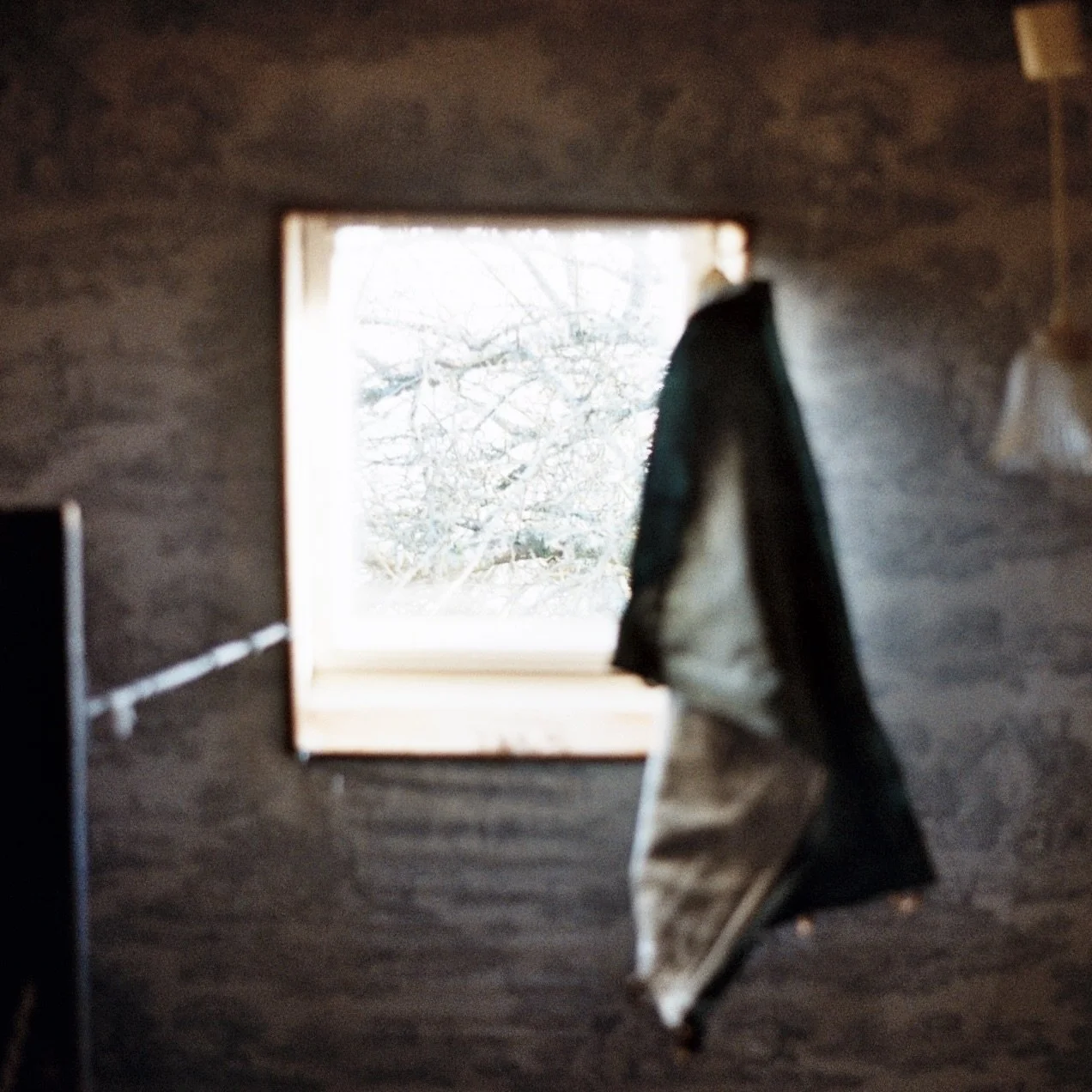
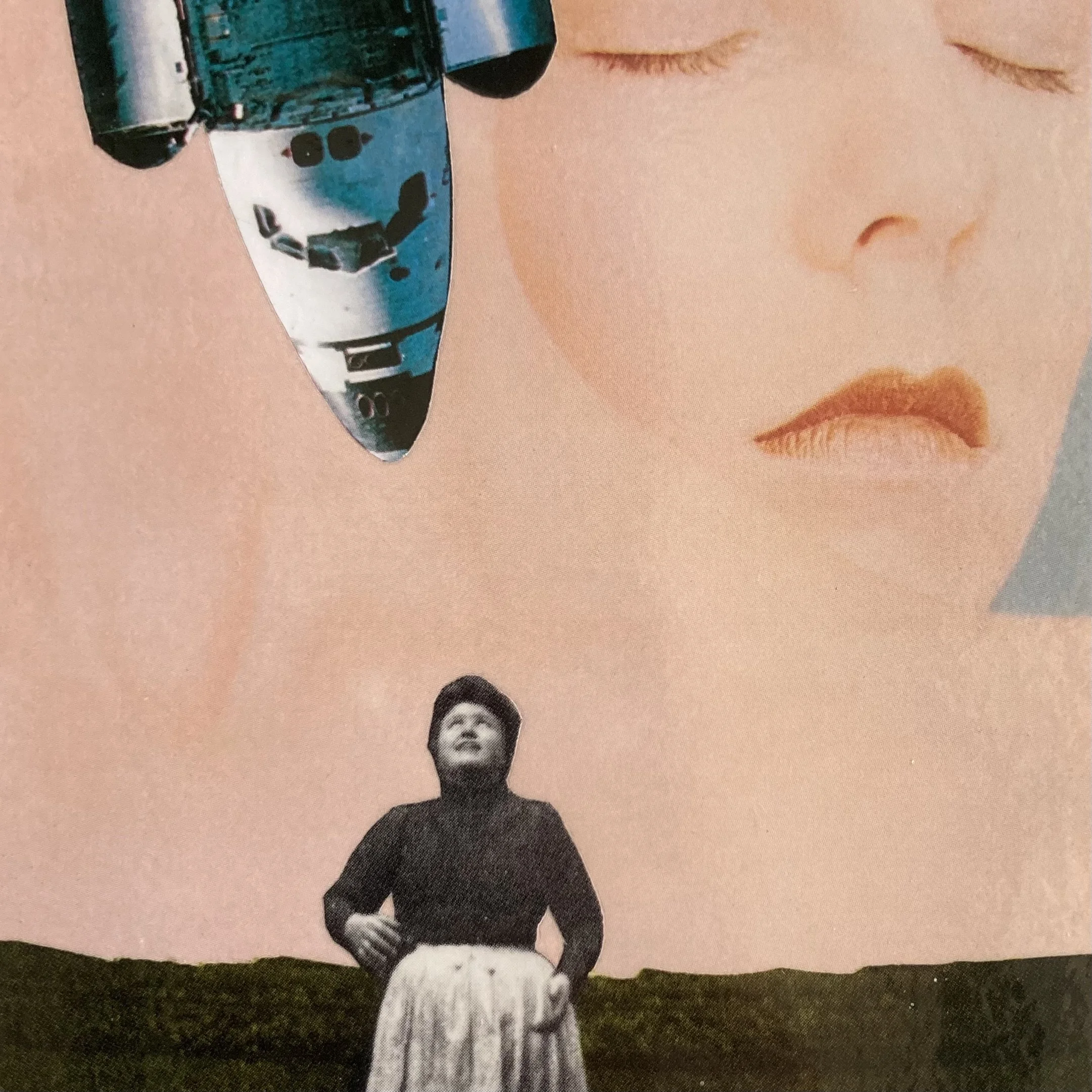
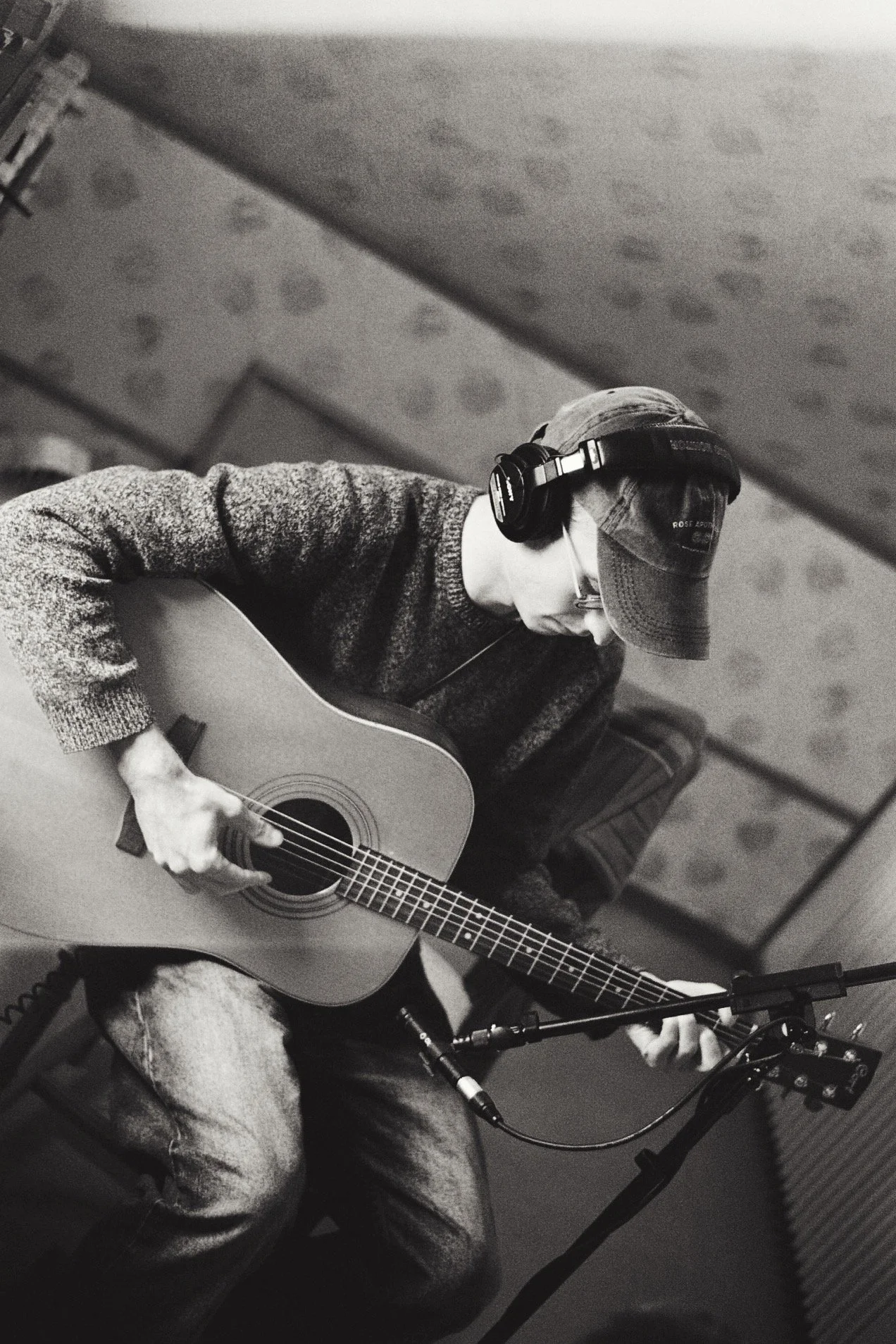
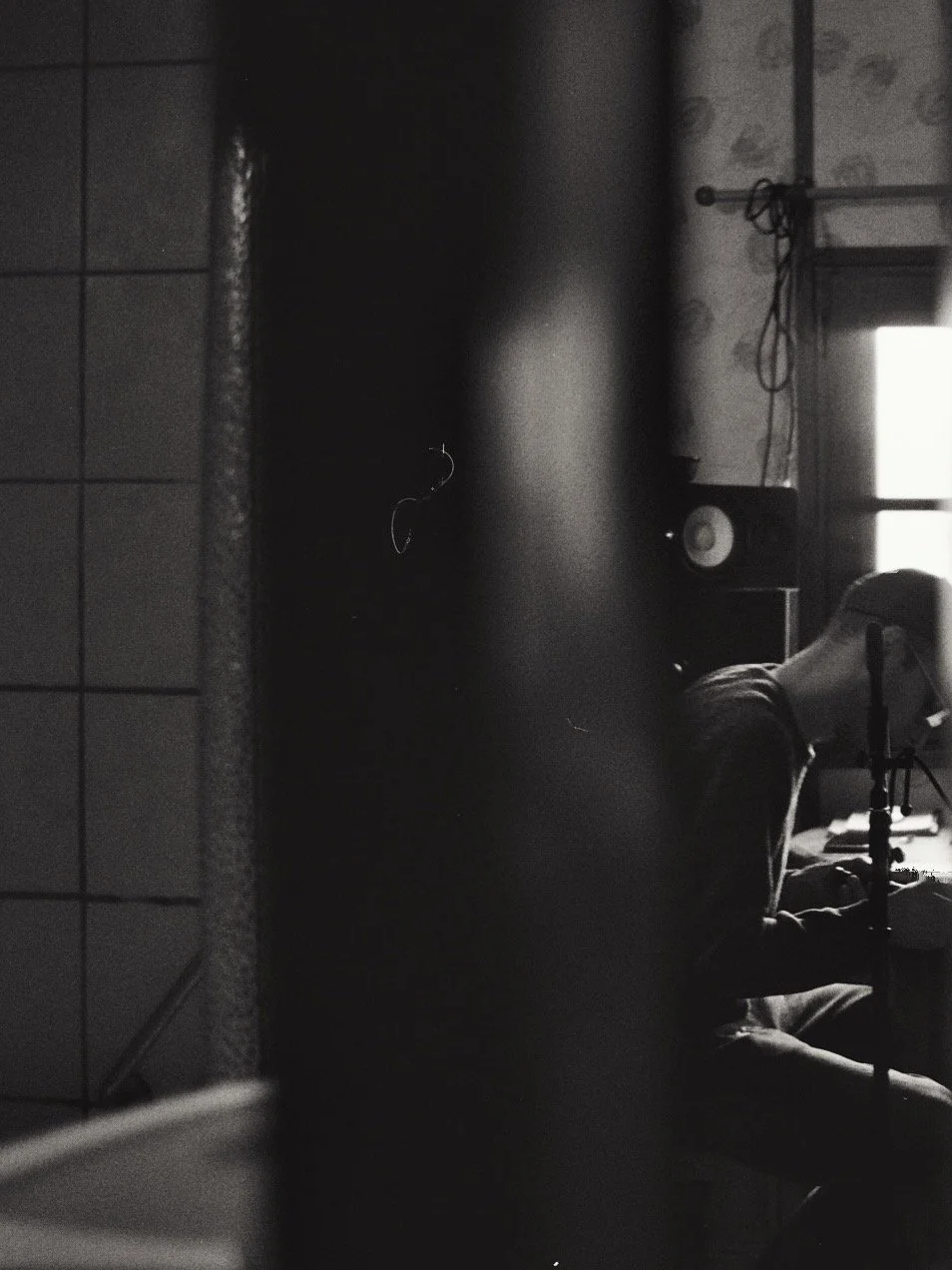
In this first EP, Ulysse Zangs explores the different shades of grief and recovery as he mourns his recent break-up as well as the loss of a beloved grandmother. After twelve years away, Ulysse pauses his dancing career and returns to his hometown, a village in the Normandy countryside. There, he sets up his studio in his grandmother’s former home. Idle Hands Or could be characterized as an ambient-folk record. It is very much self-produced as Ulysse records, sings, and plays all instruments. He emerges himself in the process of home-recording, in solitude and with a minimalist setup, using only what’s at hand. Two mics, an old interface and the instruments he acquired over the years. The album reads like an invitation to slow down and contemplate the environment, both exterior and within, to let go of the past and land into the present moment.
‘Stain’, the opening song, is something of a prelude to the rest of the EP. This song is composed of the different layers of a walk Ulysse took one winter on the beach in Normandy. We hear the sound of his footsteps as he walks through the wet sand as well as recordings of the different environment sounds surrounding him. This walking meditation is layered with an improvisation of ambient synths that echo the sound of ships departing from the nearby town harbour, the voices of children and mothers who stayed behind. This is a subtle yet very raw invitation to slow down, setting the tone for the rest of the album.
In ‘Gone In Lust’, we step inside Ulysse’s world as we enter his studio, which also happens to be his grandmother's old bedroom. He recalls the memories of people he loved and lost yet always carries with him. The fragile guitar-voice at the forefront is layered with a steady bass-drum, Ulysse’s primary instrument, and a dizzy synth in the background. Here, Ulysse imagines himself, heart beating, in his boat-like studio in the middle of the sea. ‘Museum Of’ enters the artist’s physical body as he lays his emotions bare. The mic is so close to his mouth that it picks up his bodily experience– sound of breathing, fingers sliding on and off the string, tongue moving. These sounds that are usually treated as defective and silenced, are exalted, as if we were too close. The jarring lyrics, breaking through long silences in the melody, act as weapons, evoking the painful process of accepting lost love.
‘Passengers’ is a collaboration between Ulysse and his dear friend Victoria Rose after they spent time living together in Montreuil in their friend Marion Barbeau’s house. This song comes as a breath of friendship in the middle of this solitary quest. The two voices singing together but not quite in unisson remind us of the attempt, sometimes failed, to exist symbiotically in a relationship.
With ‘Enola’, the first song Ulysse ever wrote and recorded, we go back in time. He wrote it on a plane between New York and Paris, after saying goodbye to his former lover during the pandemic, but only recorded it three years later in Normandy. Enola represents the full journey, from take-off to landing, of returning home to the deep self. An ode to solitude, Enola moves like the sea with waves crashing and retrieving, always evolving. Through this song, Ulysse discovered his intuitive songwriting process where sound and melody appear first while the particular words are unveiled much later. This very sensorial approach echoes the art of dance, Ulysse’s primary practice.
‘Yes And’ concludes the album and offers redemption after a long grieving process. An instrumental improvisation without lyrics, the song contemplates time passed and opens to what has yet to be lived. The guitar, present in every song except the first, carries the remembrance of everything that came before and yet, here, it stands alone, somehow freed of the painful weight of the past.
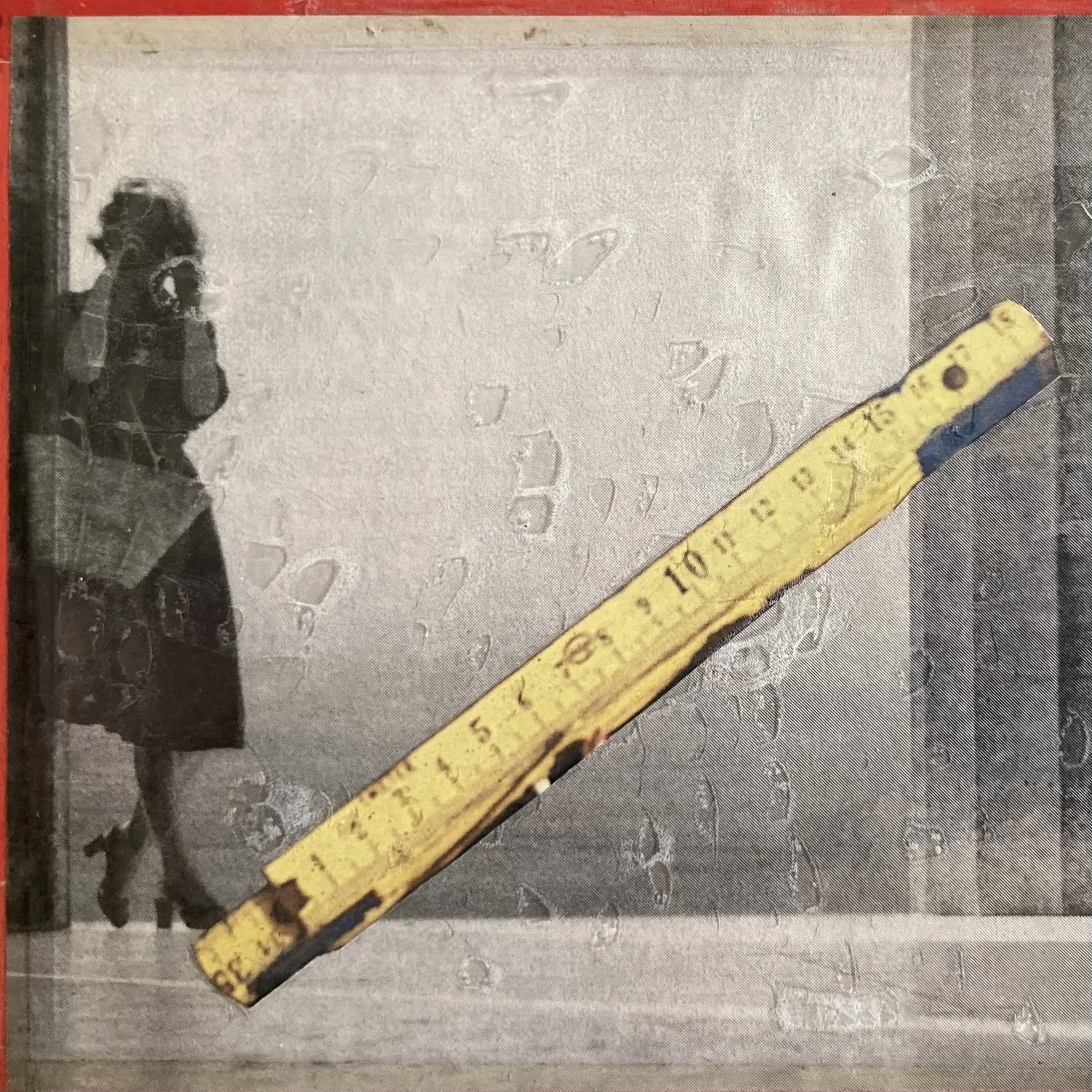
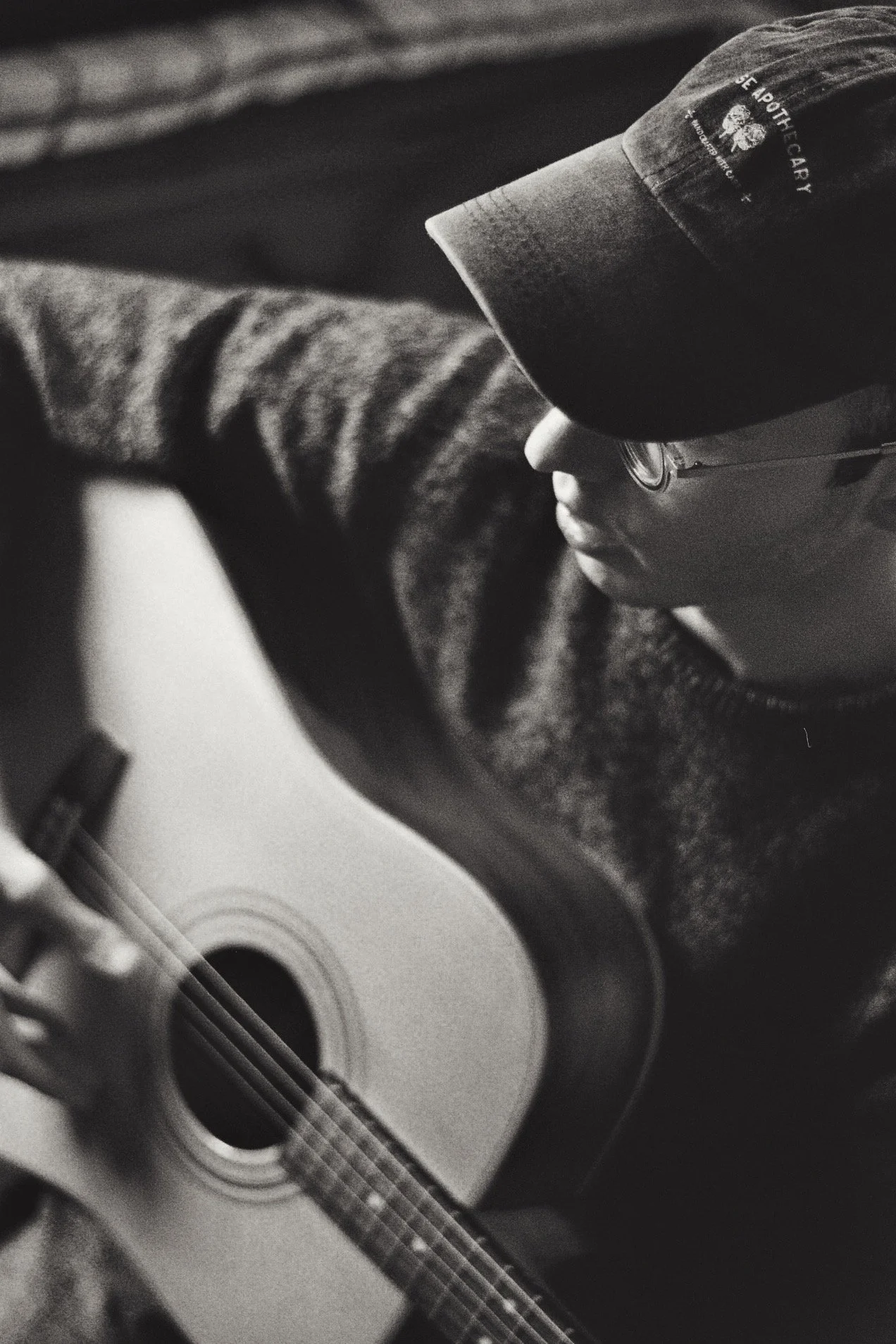
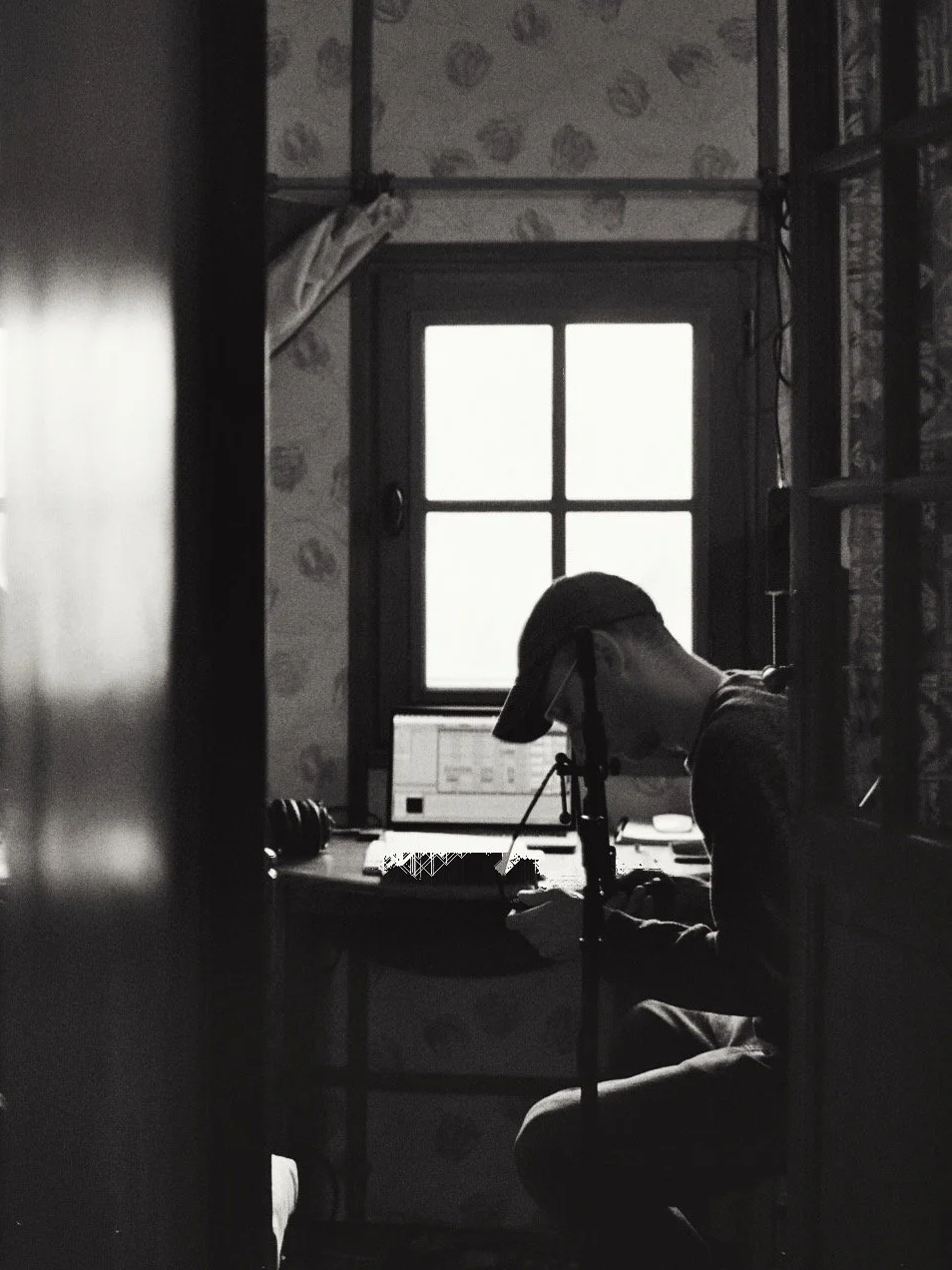
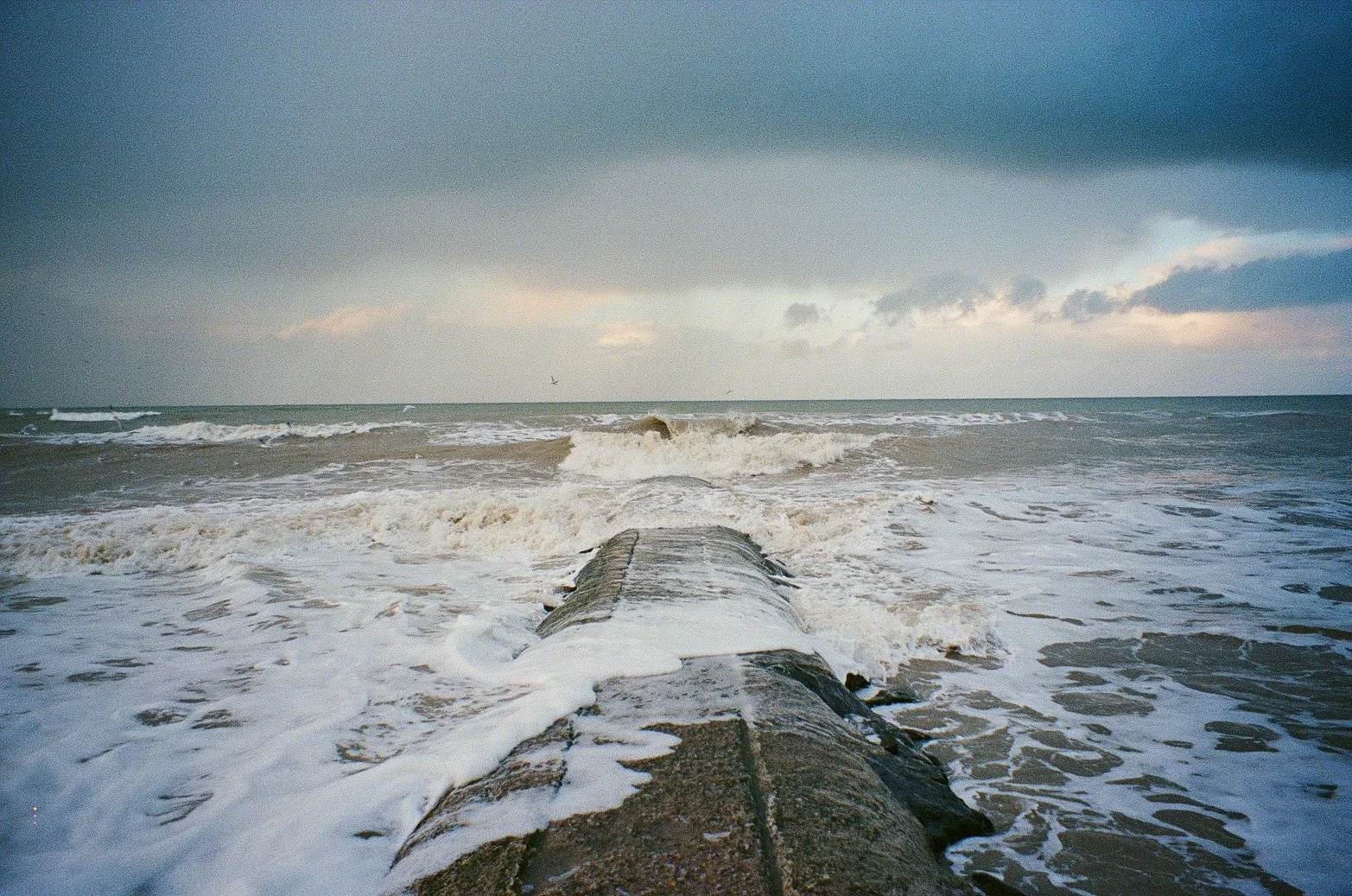
photos/collages © Victoria Rose Roy, Ulysse Zangs, Cyril Zangs